
Ranking on Page One and Earning Nothing Is a Keyword Selection Problem
A position three ranking that produces no enquiries is not a failure of the page. It is a failure of the query, and the cause sits in the SERP layout rather than in your content.
A page can hold position three for eighteen months, accumulate impressions in the hundreds of thousands, and generate nothing. This is now an ordinary result rather than an anomaly, and the ordinary diagnosis is wrong. The usual response is to rewrite the page, add a stronger call to action, or blame the conversion path. None of that touches the cause. The cause is that the query was answered before the reader ever reached a result, and no amount of on-page work changes what the search engine chose to display above you.
The result page stopped being a list
For roughly a decade the model held: ten blue links, and position influenced share of clicks in a fairly predictable way. That model is now only accurate for a narrow band of queries. For everything else the result page has been rebuilt as an answer surface. AI overviews, featured snippets, people-also-ask accordions, knowledge panels, product carousels, video units and local packs all occupy space above the organic list, and each of them exists specifically to resolve the query without a click.
The consequence is that position and visibility have come apart. You can be first among organic results and be the seventh thing on the page, below a generated summary that has already answered the question, possibly using your own content as source material. Impressions still count. Rank trackers still report a green number. The traffic does not arrive because the reader has no remaining reason to move.
This is not a penalty and it is not a content quality issue. It is a structural property of certain query types, and it is predictable in advance if you look at the result page before you commit to writing.
Which queries pay and which do not
The reliable predictor is whether a satisfying answer fits in a paragraph. If it does, the search engine will produce that paragraph, and your ranking becomes a citation rather than a visit. If the answer requires the reader to see a specific implementation, compare options against their own constraints, or verify who they would be dealing with, the answer cannot be compressed and the click survives.
| Query shape | Example pattern | Click survives? | Why |
|---|---|---|---|
| Definition | "what is x" | Rarely | The answer is one paragraph and the engine writes it |
| Simple factual | "x cost uk", "x file size limit" | Rarely | Extracted into a snippet or overview |
| Comparison of named things | "x vs y for small teams" | Sometimes | Depends on how much the reader's own context matters |
| Procedural with judgement | "how to migrate x without downtime" | Usually | The reader needs sequence, caveats and something to follow |
| Evaluative and commercial | "x consultancy manchester", "who does x" | Usually | The reader is assessing a supplier, not collecting a fact |
| Branded | "yourcompany pricing" | Almost always | Only you hold the answer |
Most content programmes are weighted heavily towards the top two rows because those queries have the largest search volume and the most obvious keyword research support. Volume is exactly what makes them worthless now: high volume informational queries are the ones most worth answering in place, so they are the ones the engines built answer units for first.
The correction is not to abandon informational content. It is to be honest that a definition page earns visibility and citation rather than traffic, budget it accordingly, and stop measuring it with a metric it will never produce. Our guide on the difference between content that compounds and content that decays sets out which formats keep earning after publication and which need continual replacement to stand still.
What to check before you commission a page
Run the query. Not a rank tracker, not a keyword tool, the actual search, in the country you sell in, logged out. Then work through five things:
- Measure how far down the page the first organic result sits. If it is below the fold on a laptop, the click economics of that query are already poor.
- Read the AI overview or featured snippet, if present, and ask whether it answers the question well enough for a competent reader to stop. If yes, plan for citation not traffic.
- Look at what type of page occupies the top organic positions. If they are all product pages and you plan a blog post, you have a format mismatch that no amount of quality resolves.
- Check whether the people-also-ask block covers the subtopics you intended to write. If it does, those subtopics are already consumed.
- Decide, before writing, what the page is for. Traffic, citation, sales enablement, or brand recall are different jobs with different success measures.
That fifth point is where most programmes go wrong. A page written to be cited by an AI answer is a legitimate asset. It just needs to be reported as reach rather than as sessions, and it needs a different structure: clear claims, specific numbers you actually own, and a named source of expertise, because those are the properties that make a passage quotable.
The measurement problem this creates
If a meaningful share of your search visibility now resolves without a click, then session-based reporting will show your content programme flatlining while it is in fact working. People read a summary that cites you, remember the name, and arrive two weeks later by typing it directly. Your analytics records that as direct traffic or branded search with no upstream cause, and the content that caused it looks unproductive.
This is the same measurement failure that affects podcasts, communities, video and word of mouth, and it has the same fix: stop trying to trace it and start measuring the downstream signal instead. The approach to measuring channels that do not attribute covers how to run that without pretending to a precision you do not have, and brand search volume as a marketing outcome explains why the number of people searching your name is the most reliable proxy available for visibility you cannot otherwise trace.
There is also a decision about what to stop. A content calendar built on high volume definitional keywords is now a calendar of work that will rank and return nothing, and continuing it because the rankings look healthy is an expensive habit. Our list of marketing activities worth stopping covers the pattern where an activity keeps producing a good-looking metric long after it stopped producing an outcome.
What to do this quarter
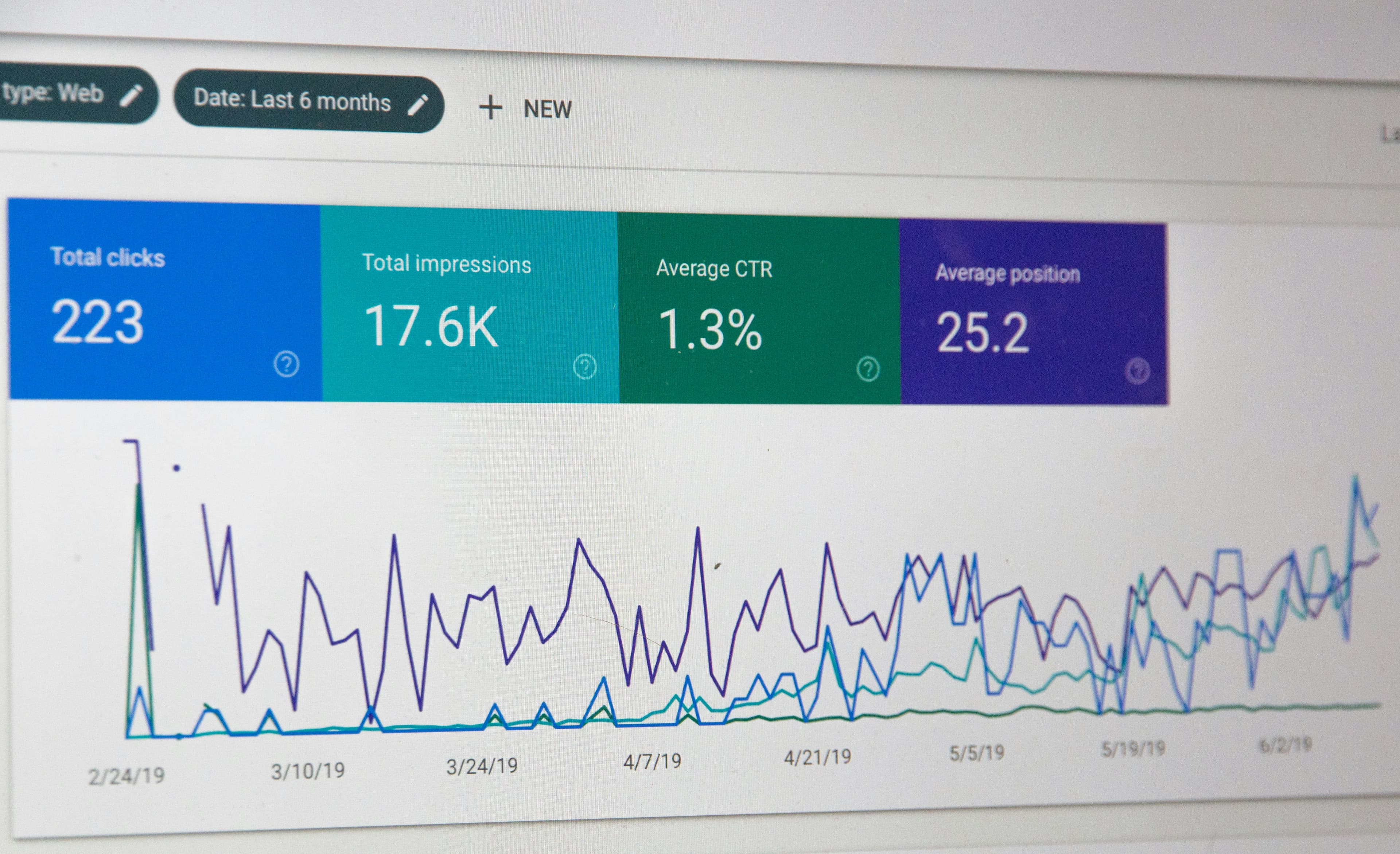
Take your twenty highest-impression pages from Search Console and sort them by click-through rate. The ones with high impressions and low click-through are not underperforming pages, they are pages targeting queries that no longer send clicks. Do not rewrite them. Reclassify them: keep them as citation and recall assets, stop counting them as acquisition, and stop commissioning more of the same shape.
Then take the budget that would have gone to the next ten definitional posts and put it into pages that answer questions where the reader's own circumstances change the answer. Those queries have lower volume, worse-looking keyword metrics and clicks that still arrive. If you want help working out which of those queries are worth the investment for your market, that is the sort of question our digital marketing team works through with clients before anything gets written.
Fastnexa Growth Team
Marketing & Innovation Team at Fastnexa. We write from real client work, and we are happy to talk through yours.
Ready to ship this?
Bring this problem to a free 30-minute call with the team that wrote the post.
Book a callMore from the blog
View all
The Same AR Build Pays Back on a Product Page and Fails on a Microsite
Where an AR experience lives decides its economics more than what it does. On a microsite you buy every visit twice. On the product page it meets people who already have the question.

Virtual Try-On Only Fixes the Returns Your Reason Codes Can See
Virtual try-on addresses one slice of returns: the ones caused by a visual question nobody answered before checkout. If your reason codes are a free-text box, you cannot find that slice or prove you shrank it.

Attribution Records Where the Click Happened, Not Where the Decision Was Made
Attribution models are accurate about clicks and silent about persuasion. The gap between those two things is where most B2B buying decisions actually get made, and no model closes it.
Related services
Want help putting this into practice? Here is how we deliver it.
