Engineering and growth insights written by the consultants who shipped the work. Think AI delivery, cloud economics, offensive security, and the architecture decisions in between.
 Featured
After dozens of engagements, our offensive security team keeps finding the same five weaknesses, none of them exotic, all of them fixable in a sprint. Here is the list, and how to close each gap.
Findings are keyed to artefacts. Ownership is a property of deployments. Nothing maintains the map between them, so the queue fills with work that has no addressee and no due date anyone feels.

Account layout usually gets decided by billing convenience in the first month of a cloud programme. It is also the strongest blast radius boundary the platform offers, and changing it later is a migration.

Package managers closed the postinstall hole. Most supply chain defences still guard it, while the code that actually runs in your build gets imported by your own toolchain with no gate at all.

Least privilege is not lost to a policy failure. It is lost at three in the afternoon when a role is too narrow, the release is waiting, and widening the policy is the fastest way through.
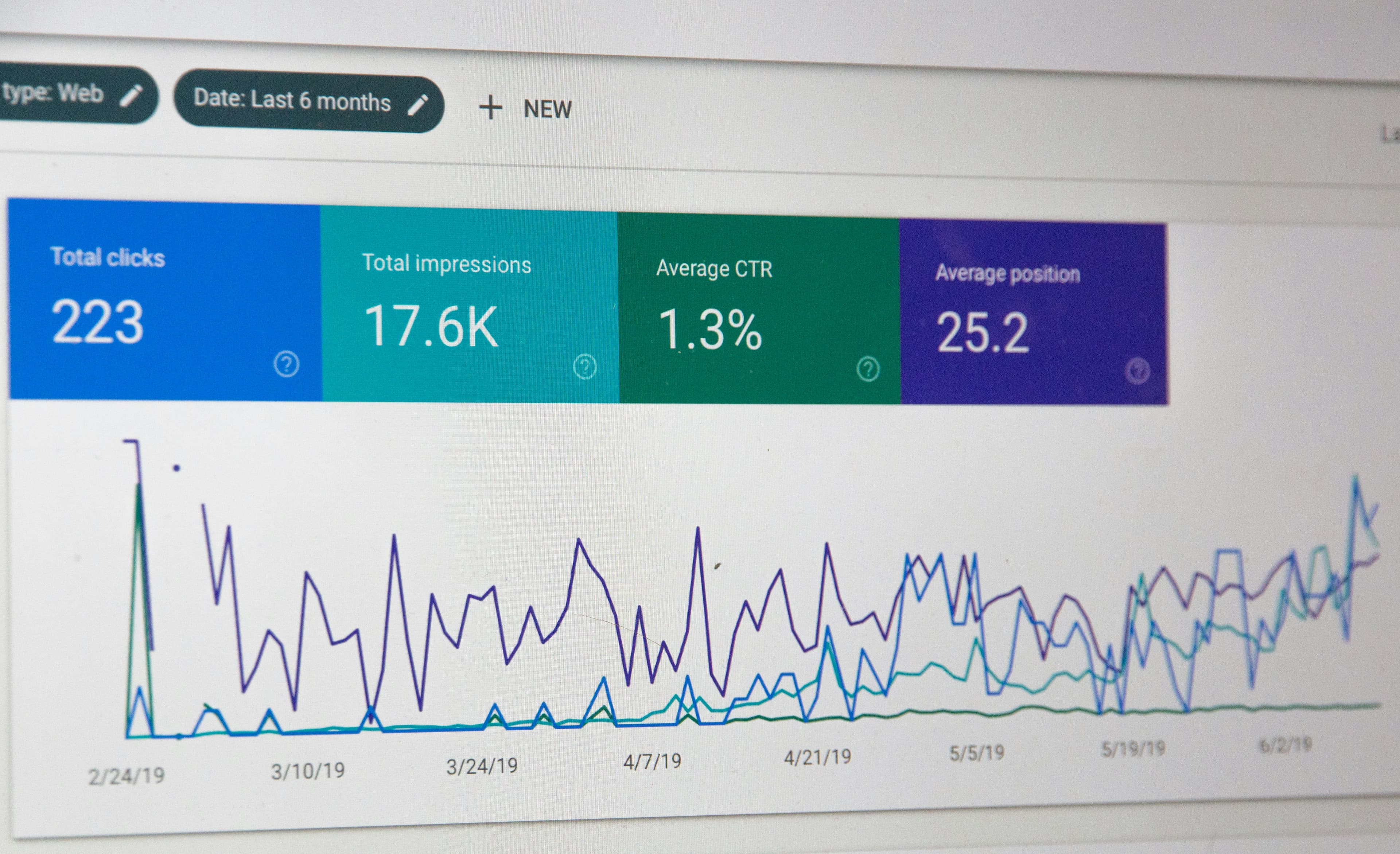
The number of alerts a team can survive is fixed by the analyst hours you bought. Every rule you enable spends that budget, and the decision to enable it is almost never costed.

Providers publish the shared responsibility model to establish where their liability ends. Customers read it as a statement about how much security they are getting, which is the opposite of its purpose.

Nobody learns anything during the first hour of an incident. They only retrieve facts they cannot work out under pressure, which means the useful artefact is a lookup table, not a procedure.

Voice agent failures are not random. They cluster into three recognisable call shapes, and you can find yours in your existing call logs before you commission anything.

Almost every MTTD figure starts counting when a signal reached your platform, not when the attacker acted. That choice hides the dwell time you most need to see, and rewards deleting coverage.

A red team exercise measures your response, not your perimeter. If nothing in your estate can raise an alarm that a named person answers, the engagement produces a story rather than a finding.
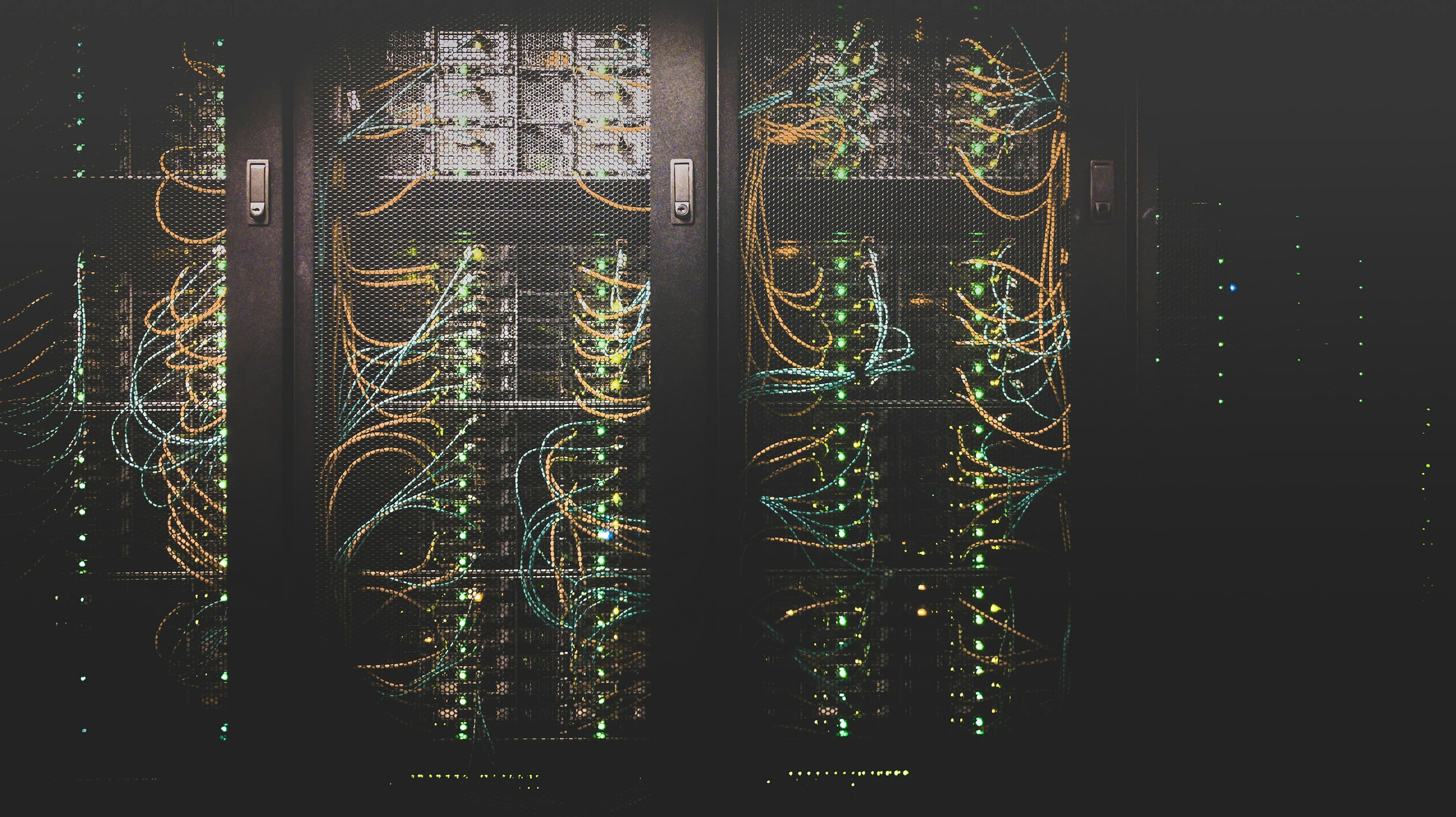
Scanner defaults are tuned for the vendor's exposure, not your attention. Enabling every rule buys you a lookup service and hands you the analysis, at estate scale, with no owner.

The statement of work pays for finding problems. Almost none of the value arrives until they are fixed and the fix is verified, and that is the clause most contracts leave vague.

Voice quality is close to solved and nobody buys on it any more. What separates a working deployment from an abandoned one is what happens in the four seconds after the agent gives up.

Compliance frameworks write the scope of most penetration tests. That scope is drawn around the assets named in the control text, not around the route an attacker would take.

Every vendor demo shows the call the agent answers well. The number that predicts whether it survives contact with real callers is the share of calls it declines cleanly.

The per-token price is the smallest term in the equation. Retries, context growth, evaluation runs and human review decide what an AI feature actually costs to operate.

AI pilots rarely die because the model was wrong. They die because nobody decided who owns the output, what happens when it is wrong, and which system it writes to.

Where an AR experience lives decides its economics more than what it does. On a microsite you buy every visit twice. On the product page it meets people who already have the question.

A backlog of forty thousand findings is not evidence that you are insecure. It is evidence that nobody has decided which findings are reachable, and that decision is not the scanner's to make.

Buyers read a clean pen test report as proof an organisation is secure. It is proof that a named scope resisted a named tester for a fixed number of days, and that gap causes real damage.

Virtual try-on addresses one slice of returns: the ones caused by a visual question nobody answered before checkout. If your reason codes are a free-text box, you cannot find that slice or prove you shrank it.

A data cleanup programme will not finish this quarter and everyone knows it. The way out is not faster remediation, it is choosing work whose value does not depend on your history.

Attribution models are accurate about clicks and silent about persuasion. The gap between those two things is where most B2B buying decisions actually get made, and no model closes it.

The viewer is a solved problem you can build once. Producing and maintaining a model for every product, forever, is the part that decides whether the rollout reaches your catalogue or stops at the pilot.

Every content metric except one can be inflated without anyone remembering your name. Branded search volume cannot, which is why it belongs at the top of the report rather than nowhere in it.

Almost every migration schedules tracing after the first services ship. That ordering removes the stack trace before anything replaces it, and it hides the data you needed to choose the boundaries.

Take-home exercises select the candidates with the most spare evenings and the least verification, and the alternative costs an hour of an engineer's time rather than eight of a candidate's.
Team names make convenient service names and terrible service boundaries. The real seams are visible in your write patterns and your transaction logs, not in the reporting structure.

A modular monolith gives you enforced boundaries, independent modules and a single transaction. Microservices give you the same boundaries plus a network, and the network is the part that costs you.

Overlap hours are the scarcest resource in a distributed team, and most organisations burn them on status updates that a written message would have handled better.

Vendor security reviews now decide more deals than pricing does, and teams answer them like a chore. The failure mode is not saying no, it is answering a question the reviewer did not ask.
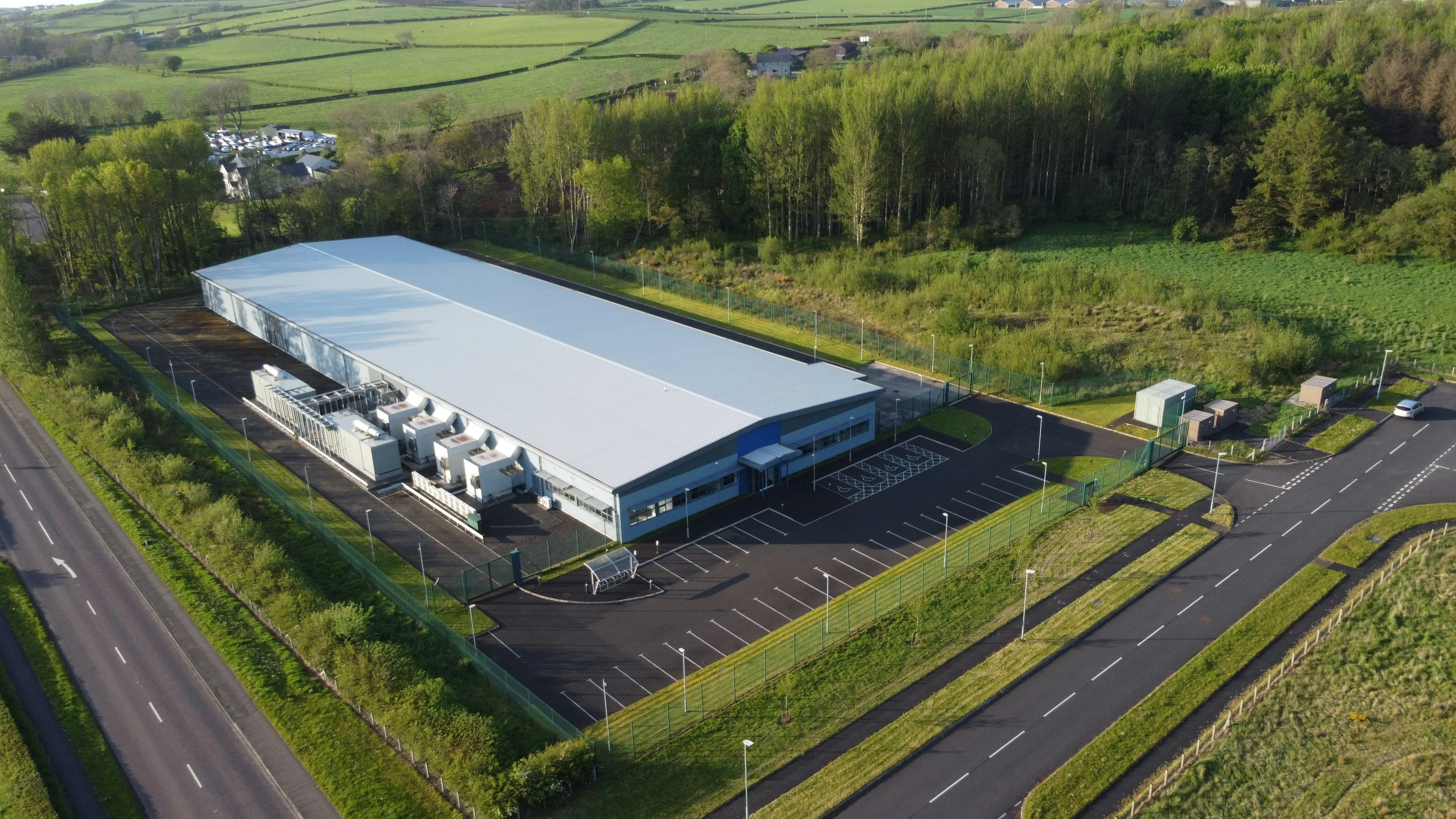
A position three ranking that produces no enquiries is not a failure of the page. It is a failure of the query, and the cause sits in the SERP layout rather than in your content.
Data transfer out is the only cloud cost that is set by design rather than by configuration. By the time it shows up on a bill, the decision that caused it is already load-bearing.

Timesheets and activity monitoring measure the one thing a distributed team can trivially produce on demand, and the act of asking degrades the signals that were actually working.

Running two providers for resilience means paying a permanent tax to avoid an occasional bill. The premium is charged continuously, in engineering time, and the cover rarely pays out.

Most estates called hybrid were never designed that way. They are migrations that stopped, and the label hides the fact that nobody decided where the remaining workloads belong.

Most enterprise AI initiatives stall in the proof-of-concept phase. Here is the delivery framework we use at Fastnexa to take AI systems from demo to dependable production software.

FinOps does not start with spreadsheets or culture decks. It starts with five line items that are oversized in almost every AWS and Azure account we audit. Here is where to look first.

Microservices solve organizational problems, not technical ones. Before you split the monolith, run through the checklist we use with clients to decide whether the complexity is worth buying.

AI overviews and answer engines are rewriting the rules of organic traffic. Here is how we are adapting content strategy for clients, and which classic SEO investments still compound.
No recycled thought leadership, no AI-padded listicles. This blog is where our engineers and consultants write down what actually happened on client work, and what we would do differently.

© 2026 fastnexa. All rights reserved.
